Safety & First Aid
Wilderness First Aid Kit Essentials: What to Pack and Why
Most pre-built first aid kits are 60% padding and 40% useful items. This guide lists what experienced backcountry travelers actually carry, by trip type, plus the skills you need to use each item safely.
8 min read·By Kalag Outdoors Field Team·
The core kit (every trip, every time)
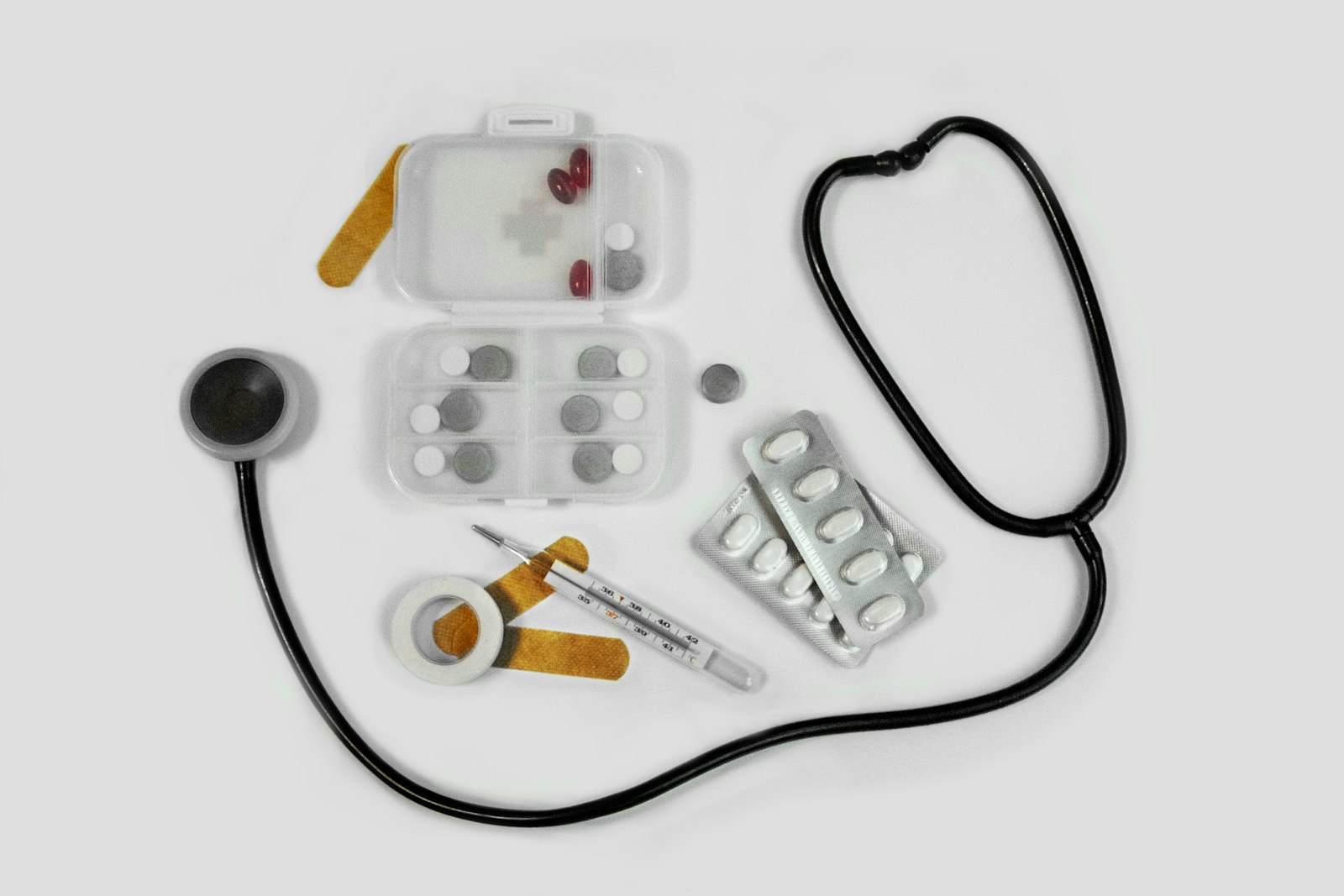
- Gauze pads (4×4), 4–6 pieces
- Roll gauze, 1 roll
- Adhesive bandages, assorted
- Hydrocolloid blister dressings (Compeed or generic)
- Leukotape — single best item for blister prevention and gear repair
- Antiseptic wipes (4)
- Triangular bandage / cravat
- Nitrile gloves (2 pairs)
- Trauma shears
- Tweezers (fine point, for ticks and splinters)
- Irrigation syringe (10–20 ml)
- CPR mask with one-way valve
Medications
- Ibuprofen — pain, swelling, altitude headaches
- Acetaminophen — fever, pain (safer with empty stomach)
- Diphenhydramine (Benadryl) — allergic reactions
- Loperamide (Imodium) — diarrhea
- Oral rehydration salts — heat illness, GI illness
- Personal prescriptions in a labeled container
Add for multi-day or remote trips
- SAM splint (universal limb splint)
- Israeli-style pressure bandage for serious bleeding
- Tourniquet (CAT or SOFTT-W) — only if you have training
- Sterile saline for irrigation
- Tincture of benzoin (helps tape stick on sweaty skin)
- Satellite messenger for SOS
Gear is no substitute for training
A wilderness first aid (WFA) course is 16 hours and costs less than a quality kit. Take one before your next long trip — it will change how you pack and how you assess emergencies.
The patient assessment is the most important tool
Most field emergencies aren't trauma — they're slow-developing illness, hypothermia, or dehydration. Learn the SAMPLE history and a basic head-to-toe exam.