Survival Tips
Building a Realistic Everyday Carry (EDC) Survival Kit
The classic 'Ten Essentials' framework, born from the Mountaineers in 1930s Seattle, still works — but the gear has gotten lighter and smarter. This guide covers each category, what experienced backcountry travelers actually carry, and how to size your kit to the trip.
The 10 Essentials, modernized
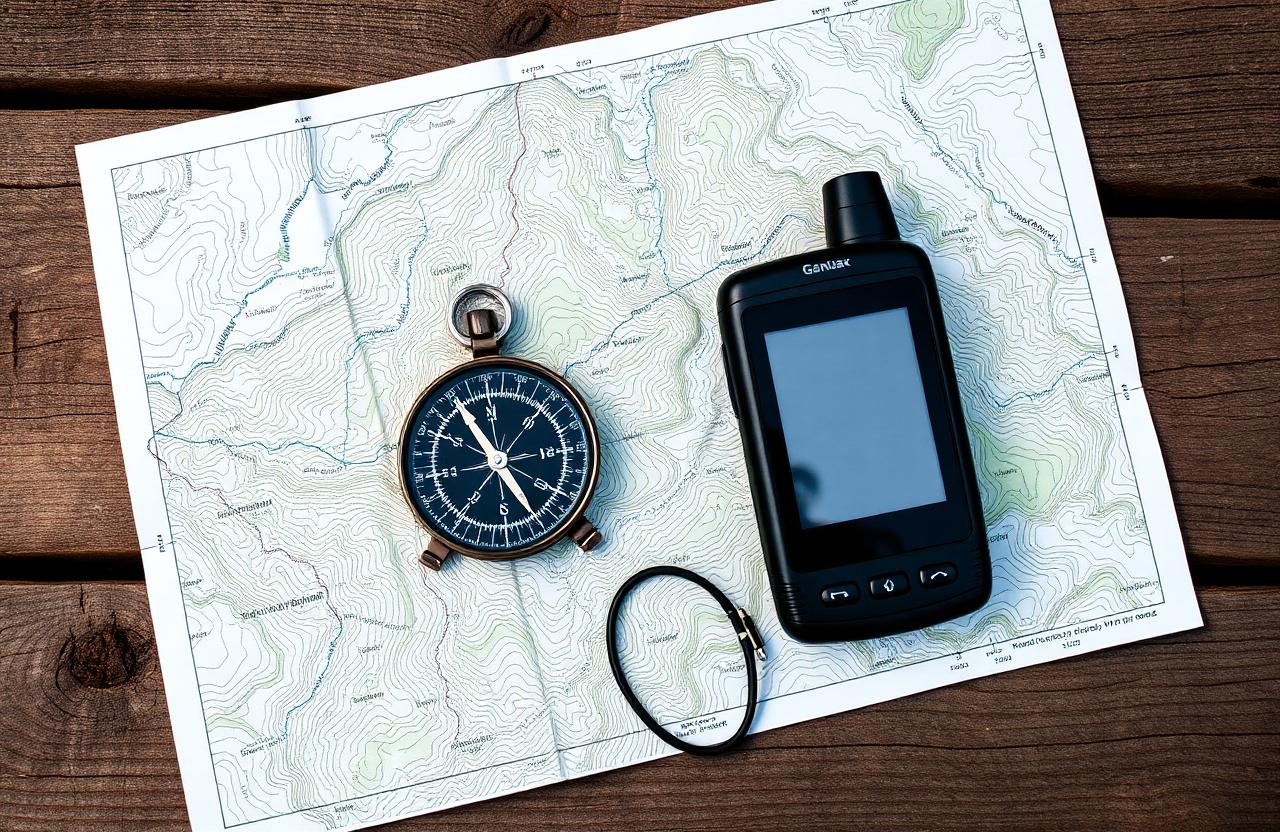
- Navigation — map, compass, and a charged phone with offline maps. A standalone GPS is optional.
- Sun protection — sunglasses (UV400), broad-spectrum SPF 30+, and a brimmed hat.
- Insulation — one layer warmer than you think you'll need; conditions change fast.
- Illumination — headlamp with fresh batteries plus a spare set. Hand-held flashlights leave a hand busy.
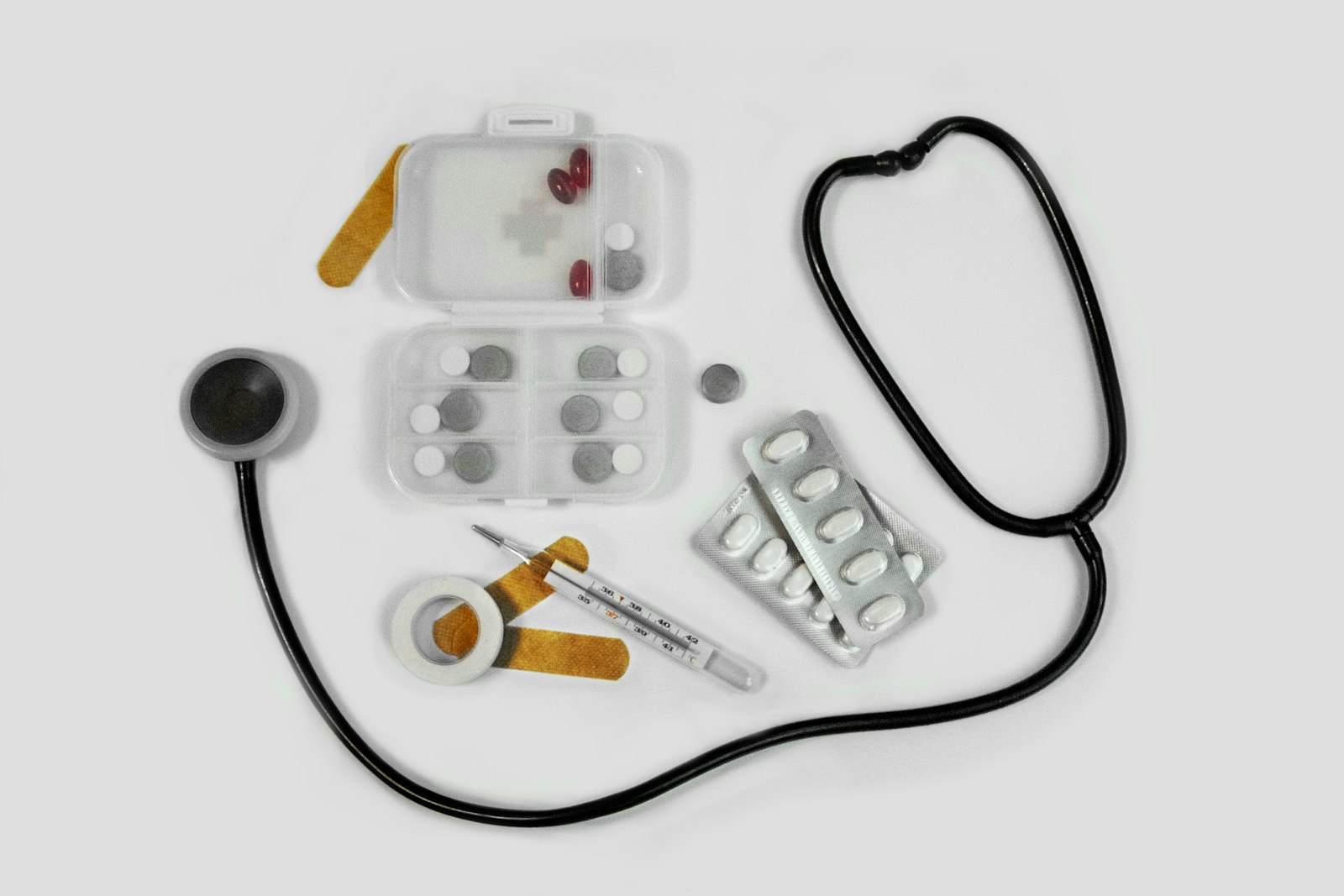
- First aid — small wound kit, blister care, personal medications, and the knowledge to use them.
- Fire — windproof lighter, ferro rod backup, and tinder in a waterproof bag.
- Repair & tools — multi-tool, 3 m of duct tape, and 5 m of cordage.
- Nutrition — one extra day of high-calorie food beyond your plan.
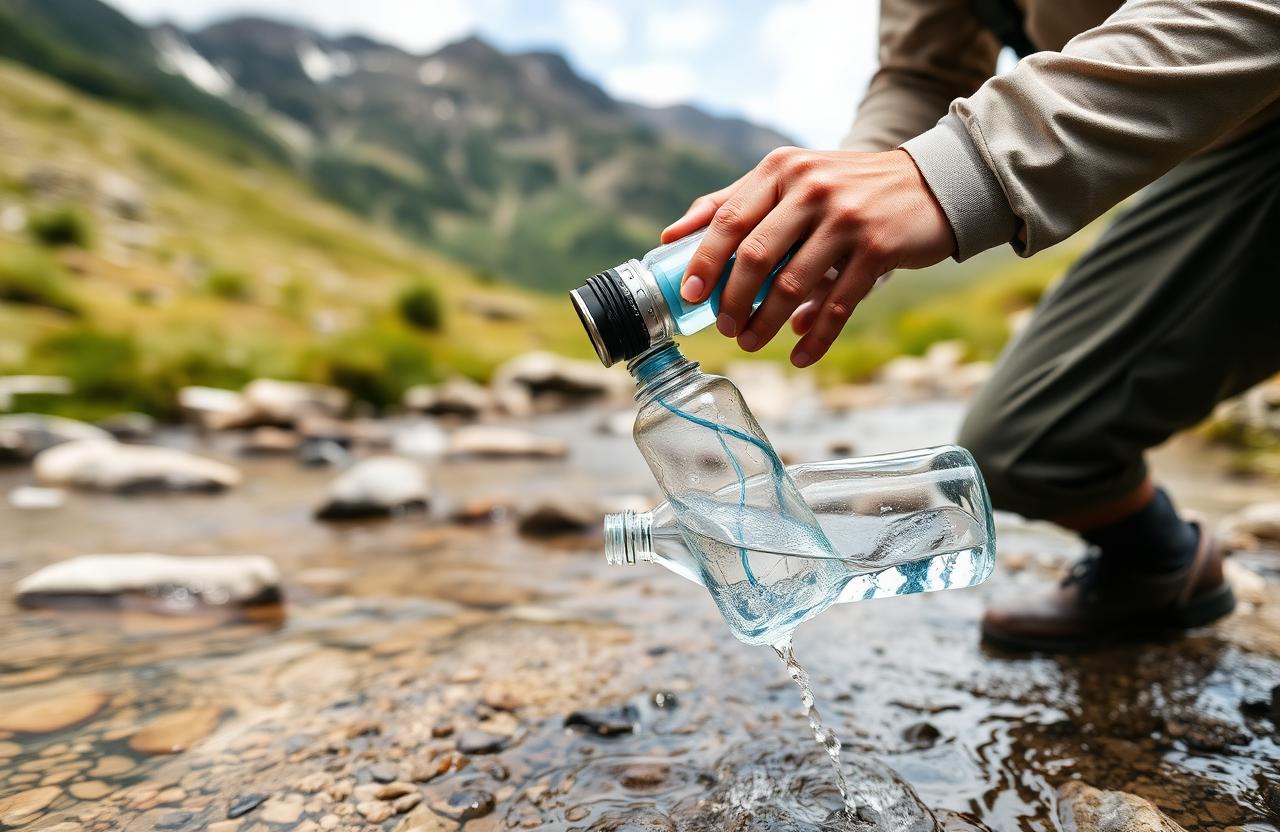
- Hydration — capacity for the day plus a filter or purification tablets.
- Emergency shelter — emergency bivvy or 4 m² of tarp at minimum.
Skip the survival-show props
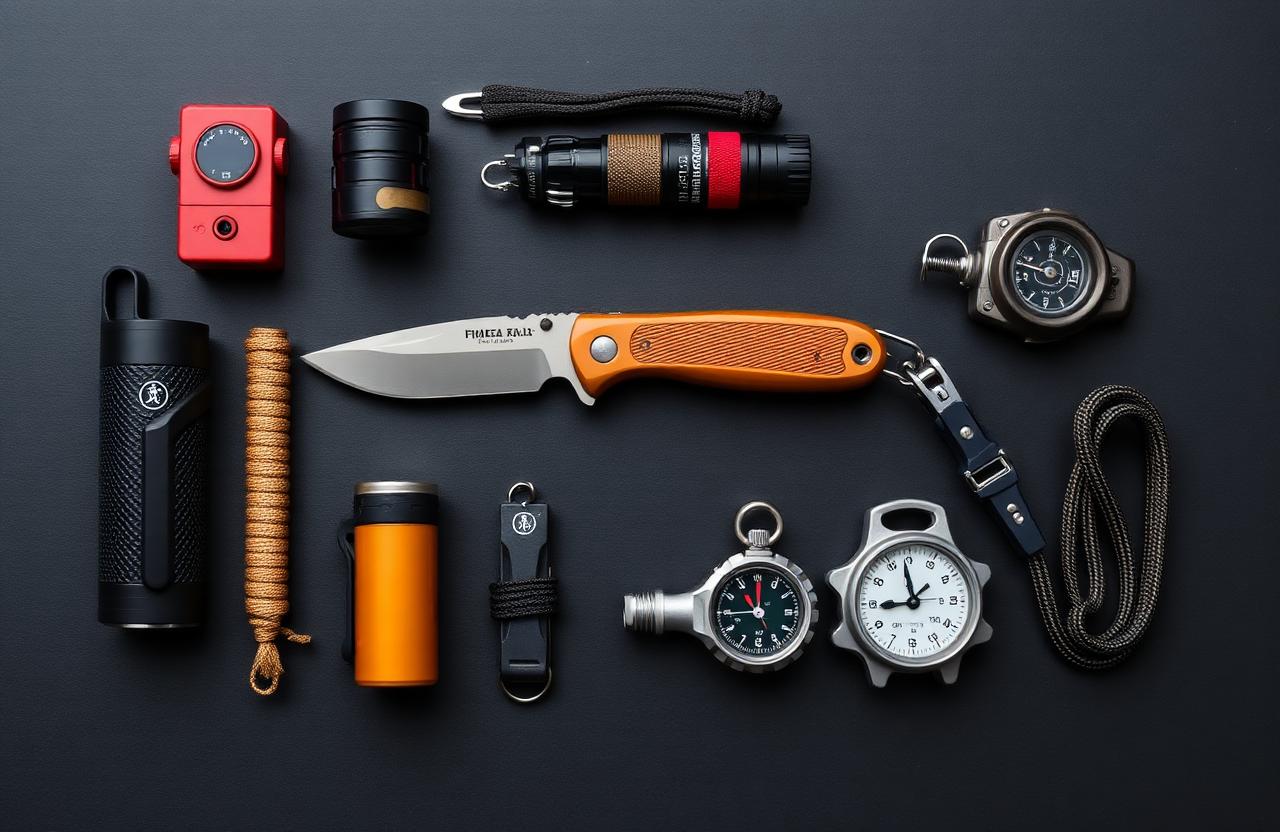
Hollow-handle knives, paracord grenades, and credit-card multi-tools look great on a shelf and fail in the field. Carry one quality item per category instead.
Size the kit to the trip
A day hike on a marked trail needs a small kit (~500 g). A multi-day off-trail trip needs the full kit plus a satellite communicator. Don't carry the same kit for both — overpacking trains you to leave things home.
What about a knife?
A folding knife with a 7–10 cm blade and a locking mechanism handles 95% of camp tasks. Fixed-blade survival knives are only worth the weight on extended bushcraft trips.
Carry a way to call for help
A satellite messenger (e.g. inReach, Zoleo) costs less than a single helicopter rescue and works where cell coverage doesn't. It's the single highest-value safety upgrade you can make.