Apparel Guides
The 3-Layer Outdoor Clothing System Explained
Layering isn't about wearing more clothes; it's about wearing the right ones in the right order so you can add and shed warmth as conditions change. Master the 3-layer system and you'll be comfortable from desert mornings to alpine storms.
Layer 1 — Base: manage moisture
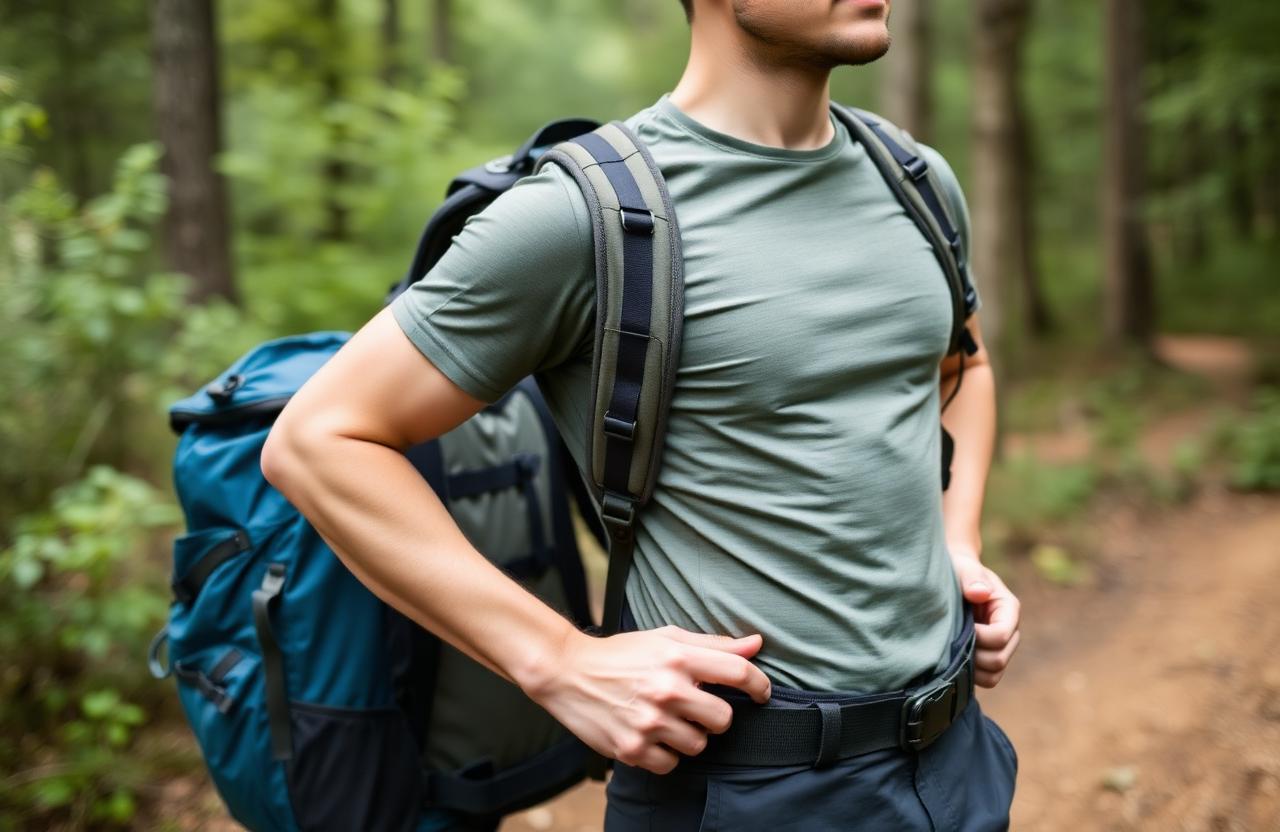
Your base layer's only job is to move sweat off your skin. Merino wool is the default for multi-day trips (temperature regulating, odor resistant, comfortable next-to-skin). Synthetics dry faster but smell sooner. Cotton has no place outdoors — wet cotton steals body heat 25× faster than dry skin.
Layer 2 — Mid: trap warmth
The mid layer is your warmth engine. Choose by activity level: a grid fleece (Polartec Alpha or similar) breathes well during hard cardio; a down or synthetic puffy traps the most heat per gram at rest. Many hikers carry both — fleece while moving, puffy at breaks.
Layer 3 — Shell: block weather
The shell defends against wind, rain, and snow. Hardshells (Gore-Tex, eVent) are fully waterproof but less breathable. Softshells block wind and shed light precipitation while breathing during high output. Carry a hardshell as backup even if you start the day in a softshell.
The temperature rule
You should feel slightly cool when you start moving. If you're warm at the trailhead, you'll overheat within 10 minutes and sweat through your base layer.
Climate-specific tweaks
- Desert — sun hoody as base, lightweight wind shell, skip the mid layer until nightfall.
- Tropical / monsoon — sun hoody base, ultralight rain shell, plan to be wet.
- Cold & wet (PNW, UK) — merino base, fleece mid, hardshell, with a synthetic puffy for camp.
- Cold & dry (Rockies, winter) — merino base, fleece + down mid combo, hardshell only if storming.