Hiking Guides
Hiking Boots: How They Should Really Fit
The wrong-sized boot is the #1 reason hikes get cut short. This guide walks through professional fitting: sizing by trail volume, lacing techniques that stop heel slip, sock pairing, break-in timelines, and blister-prevention tactics used by long-distance thru-hikers.
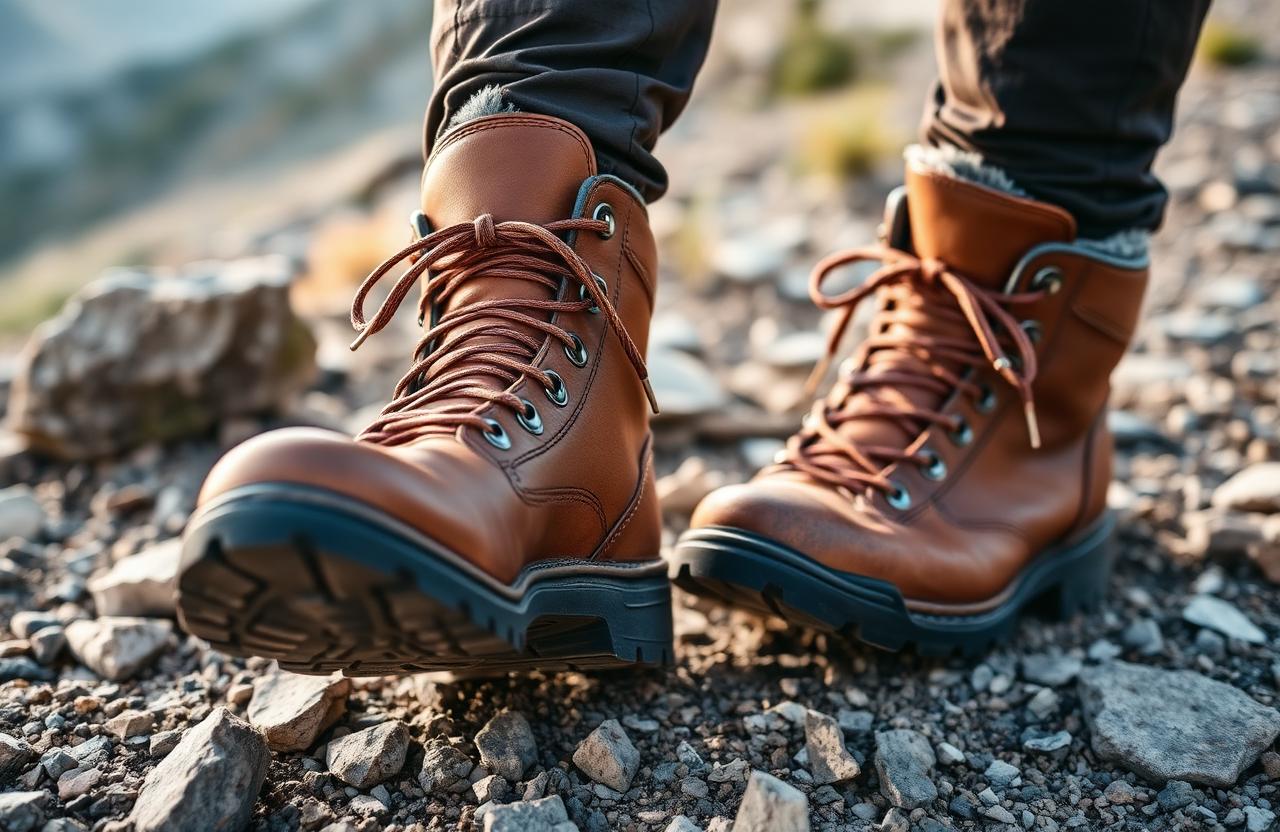
Size for swelling, not for shoe-store comfort
Feet swell up to a full size during long descents and in heat. Fit boots in the afternoon, wearing the exact socks you'll hike in, and aim for ~1.5 cm between your longest toe and the front of the boot when standing flat.
The volume check most people skip
Length is easy; volume is what matters. A correctly fitted boot grips your midfoot and heel with no slip when you lace it firmly, but leaves your toes free to splay. Test by walking down a steep ramp — heel lift over 6 mm means the boot is too roomy and you'll get blisters.
Lacing fix: the surgeon's knot
If your heel slips but your toes feel fine, tie a surgeon's knot at the ankle flex point. It locks the midfoot without crushing your toes.
Sock strategy
- Merino wool — temperature regulating, anti-odor, the default choice for multi-day hikes.
- Liner socks under wool — reduce friction on long descents and in wet conditions.
- Never cotton — it holds moisture and is the leading cause of blisters.
Break-in timeline
Modern leather boots need 30–50 km of progressive wear before a multi-day trip. Synthetic trail runners need 20–40 km. Wear them around the house, then short flat walks, then loaded hill repeats. Never debut new boots on a backcountry trip.
Blister first aid
At the first hot spot, stop and apply tape or hydrocolloid dressing. A 60-second pause prevents a trip-ending blister.
Frequently asked questions
- Boots, mid-cut shoes, or trail runners?
- Carrying under 12 kg on maintained trails? Trail runners. Heavy pack, ankle-rolling terrain, or wet conditions? Mid- or high-cut boots with a stiffer midsole.
- Do I need waterproof boots?
- Only in cold or persistently wet conditions. Goretex linings trap sweat in hot climates and dry slowly once soaked through.